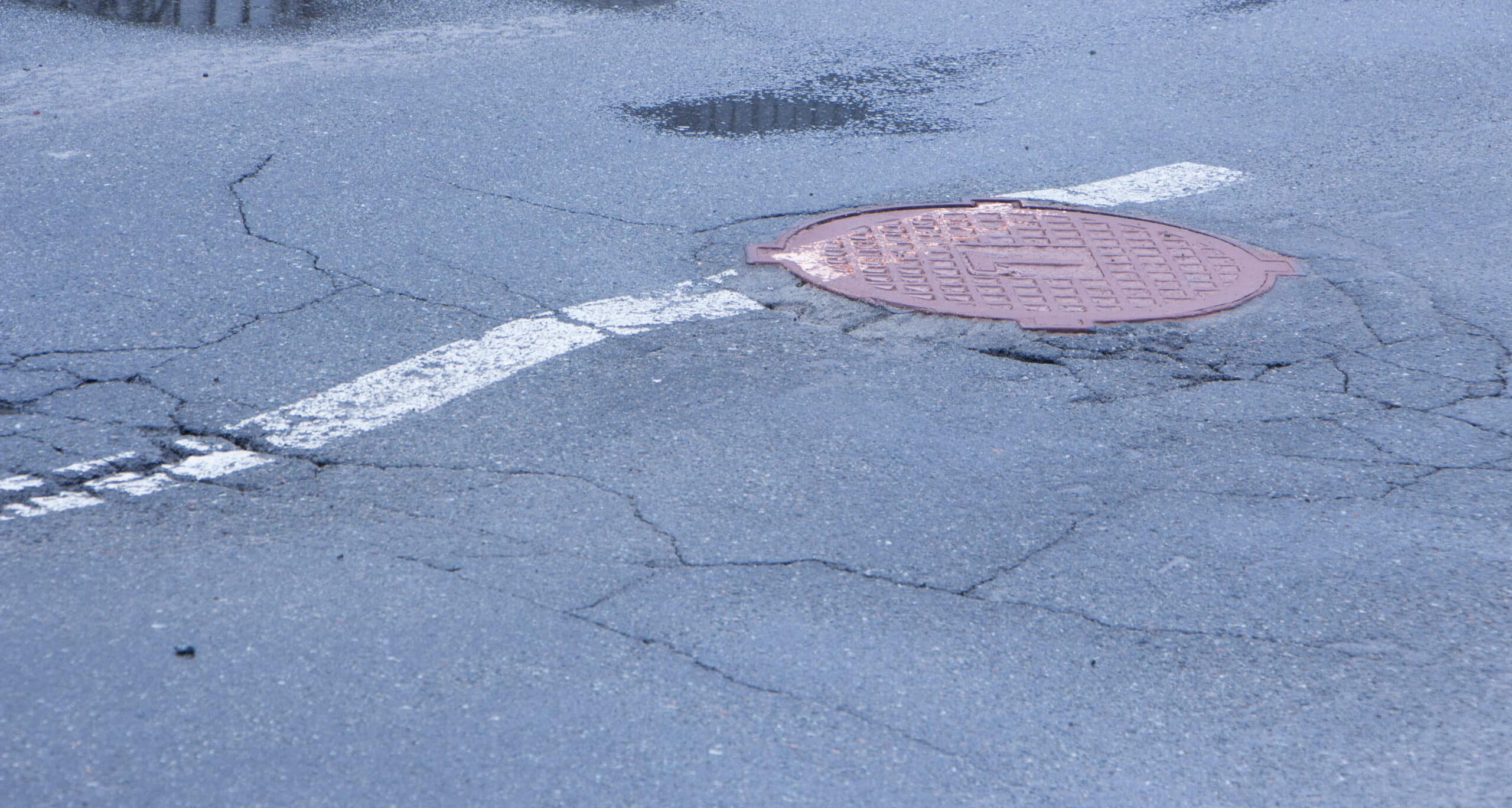
Commercial construction projects depend on more than individual trades completing their own portion of the work. The real key to keeping a project moving is coordination. Site clearing, grading, underground utilities, drainage structures, and paving all affect one another. When one phase is delayed or completed out of sequence, the impact can spread across the entire schedule.
For general contractors, developers, and project managers, coordinated site development helps reduce rework, protect the budget, and create a smoother transition from the early stages of construction to final completion.
Site Clearing Sets the Stage
Before underground work can begin, the site must be cleared and prepared for excavation. Trees, debris, old structures, and unsuitable materials may need to be removed before crews can establish grades and utility routes.
Poorly coordinated clearing can limit access for equipment, interfere with trench paths, or create additional work later. Reviewing the civil plans and utility layout before clearing begins helps crews prepare the site for the next phase.
Grading and Utilities Must Work Together
Grading determines how water moves across a finished property, but it also affects the depth and placement of underground systems. Storm drain lines, sewer connections, manholes, and catch basins all rely on accurate elevations and slopes.
If grades change after underground structures are installed, crews may need to reset elevations, adjust pipe connections, or reopen completed areas. These changes can affect compaction, paving, curb installation, and inspections.
Coordinating grading and underground utility work early helps prevent conflicts between what is shown on the plans and what is happening in the field.
Confirm Utility Routes Before Excavation
Underground utility conflicts are one of the fastest ways to slow down a project. Existing lines, unexpected soil conditions, and incorrect tie-in locations can bring excavation to a stop.
Before crews open the ground, utility routes and connection points should be reviewed carefully. This includes confirming elevations, pipe sizes, material requirements, and access for installation equipment.
When these details are addressed early, the underground crew can work more efficiently and avoid last-minute changes that affect other trades.
Protect Drainage Structures Throughout Construction
Catch basins, manholes, storm drains, and headwalls can be damaged or clogged while the rest of the site is under construction. Sediment, construction debris, and heavy equipment traffic can interfere with drainage performance before the system is even complete.
Protecting these structures during each phase helps reduce cleanup, repairs, and inspection problems. It also allows the drainage system to manage runoff during construction, which can help prevent washouts and soft subgrade.
Plan the Transition to Paving and Final Grade
Underground utilities should be inspected, tested, and corrected before pavement, curbs, sidewalks, and landscaping are installed. Once finished materials are in place, even a small underground issue can require costly removal and restoration.
Before moving into the final phases, project teams should confirm that structures are set to the proper elevation, pipe connections are secure, drainage lines are flowing, and no settlement or soil loss is visible.
This final review can prevent punch list delays and reduce the chance of callbacks after project turnover.
How All State Civil Construction Supports Commercial Projects
All State Civil Construction works with general contractors and commercial project teams throughout the Daytona Beach area. Our services include underground utility installation, storm drain and pipe work, manholes, catch basins, drainage structures, and infrastructure repair and rehabilitation.
With more than 20 years in the civil construction industry, our team understands how underground work affects the rest of the job site. We focus on communication, careful planning, and reliable execution that supports the overall construction schedule.
Take Action: Coordinate Your Underground Scope from the Start
A successful commercial project starts with a site development plan that connects every phase of the work. All State Civil Construction helps general contractors and project managers coordinate underground utilities, drainage systems, and related infrastructure before delays and rework affect the schedule.
Give us a call at (386) 356-3093 for a free estimate and learn how our team can support your next commercial project.