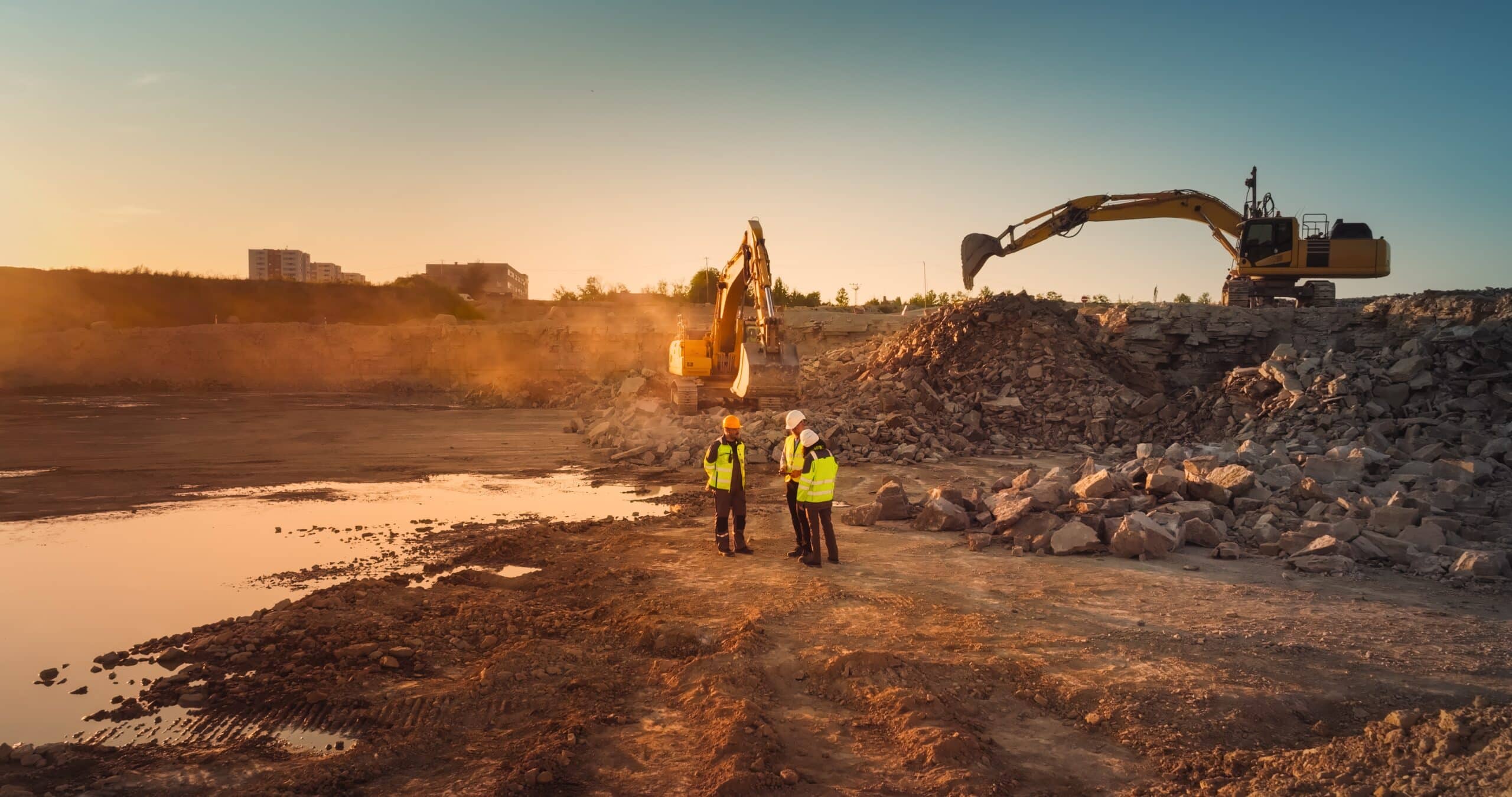
As 2025 comes to a close, it’s a good time to reflect on what this year has taught us about Florida’s critical infrastructure systems—both above and below ground. From ongoing seawall erosion to aging stormwater systems and increasingly stressed underground utilities, this year brought valuable insights and emphasized the need for proactive maintenance across public and private properties.
At All State Civil Construction, we’ve seen consistent themes across projects throughout the state. This recap highlights the key infrastructure trends of 2025 and offers strategic recommendations for planning 2026 budgets with resiliency and long-term performance in mind.
Seawall Rehab Demand Is on the Rise
One of the most notable trends this year was the growing number of seawall repair and rehab requests. Coastal erosion continues to accelerate, and seawalls installed 20–30 years ago are beginning to show widespread signs of aging—from cracks and soil washout to structural leaning and drainage failures.
More commercial property owners, marinas, and municipalities are turning to AV-275 Soilgrout as a minimally invasive, high-impact solution for stabilizing failing seawalls. This method proved especially effective in saving seawalls that were on the brink of collapse—without needing full reconstruction.
Key takeaway: Waiting for visible failure is no longer an option. Proactive seawall inspections and soil stabilization are becoming standard for properties near water.
Stormwater System Failures Often Start Small
Storm drains, catch basins, and pipes are designed to move water off roads and properties quickly—but this year, many systems failed under pressure from clogged basins, collapsed pipe sections, and blocked outlets. Much of this damage could have been prevented with regular maintenance or mid-year inspections.
Recurring issues we saw in 2025 included:
- Sediment and leaf buildup in catch basins
- Joint separation in older stormwater pipes
- Improper slope and drainage design in newly developed sites
- Erosion at storm drain outfalls, causing undermining
Key takeaway: Routine cleaning, grade corrections, and structural rehab need to be part of every property manager’s or municipal planner’s checklist—not just after a storm.
Underground Utility Infrastructure Is Aging—And It Shows
This year brought increased demand for manhole rehabilitation, sewer pipe repair, and subgrade stabilization. From commercial campuses to city streets, failing manhole collars and leaking pipes were a consistent source of erosion, pavement issues, and utility disruptions.
AV-275 Soilgrout proved to be a reliable solution again here—sealing leaks, filling voids, and stopping washouts in areas that were unstable or undermined. We also saw increased interest in lifting or re-aligning manholes to meet new surface grades.
Key takeaway: Ignoring underground infrastructure doesn’t make the problems go away—it just makes the repair more expensive later. A regular inspection plan can significantly reduce long-term costs.
Planning Ahead for 2026: Budget & Inspection Priorities
Heading into 2026, here are a few smart moves for any city, developer, or commercial property owner:
- Schedule early-year infrastructure inspections: Storm drains, manholes, seawalls, and sewer lines all benefit from a pre-summer checkup.
- Allocate budget for preventative maintenance, not just emergency repair.
- Prioritize soil stabilization in areas with visible erosion, water pooling, or settlement.
- Incorporate infrastructure health into capital planning: Think long-term about the lifespan of underground systems and seawalls.
Take Action: Make 2026 Your Most Proactive Year Yet
At All State Civil Construction, we help municipalities, developers, and commercial clients protect what’s beneath the surface. From seawall rehabilitation and AV-275 Soilgrout injection to manhole repairs and storm drain restoration, our team brings expert service and lasting results year-round.
Call us at (386) 465-2187 to schedule your first inspection for 2026 or to start planning your infrastructure maintenance strategy today. Let’s build on the lessons of 2025—and set the stage for a stronger, more resilient future.